
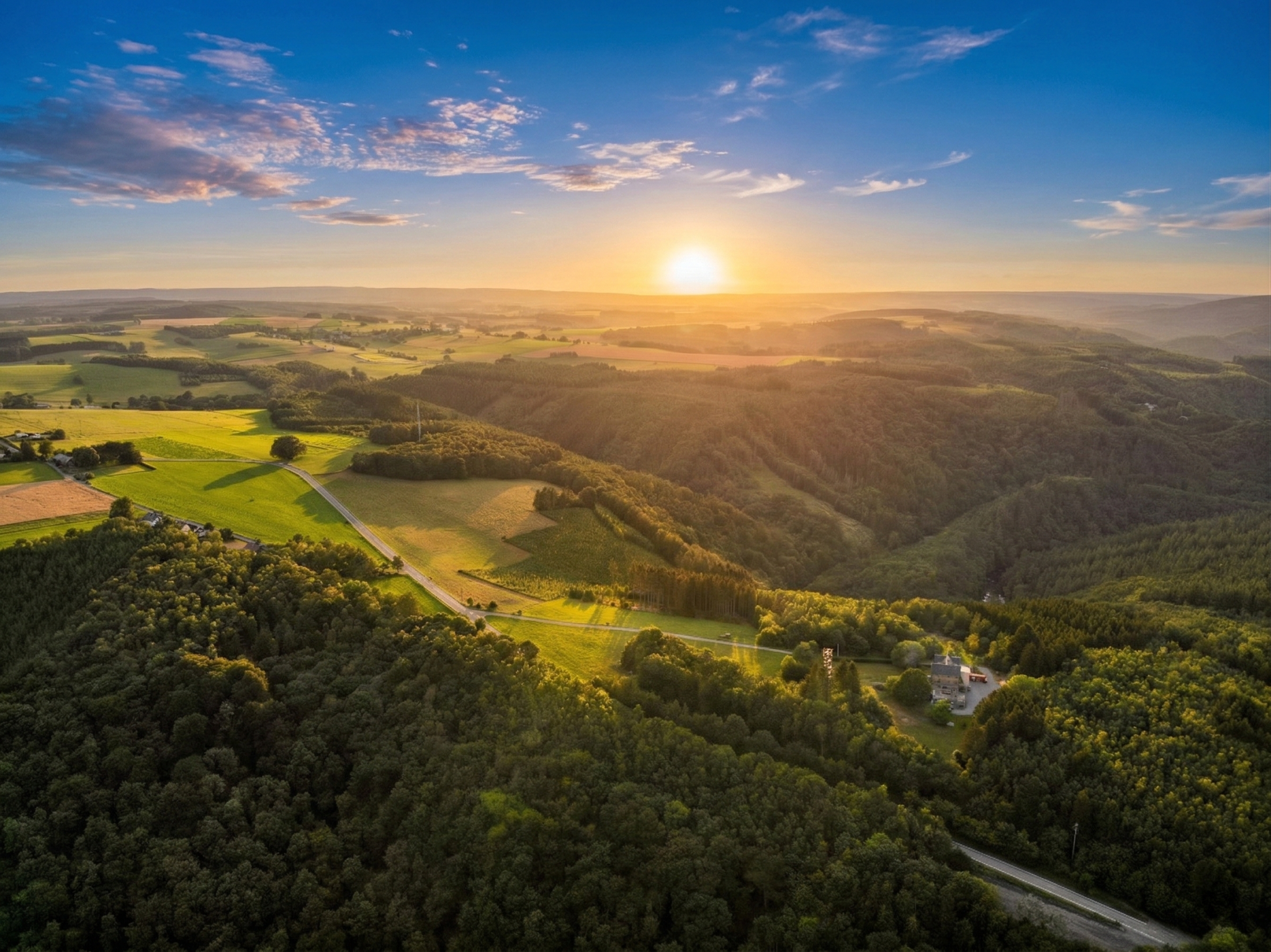
Few countries have shaped road cycling the way Belgium has. Through the cobbled bergs of Flanders, the war-scarred fields around Ypres, the cathedral cities of Bruges and Ghent, the dense forests of the Ardennes and the high moors of the Signal de Botrange — this is a country that shaped the sport.
The Tour of Flanders, Liege-Bastogne-Liege, the Spring Classics — these are not just races. They are part of the landscape, part of the culture, part of what it means to ride here.
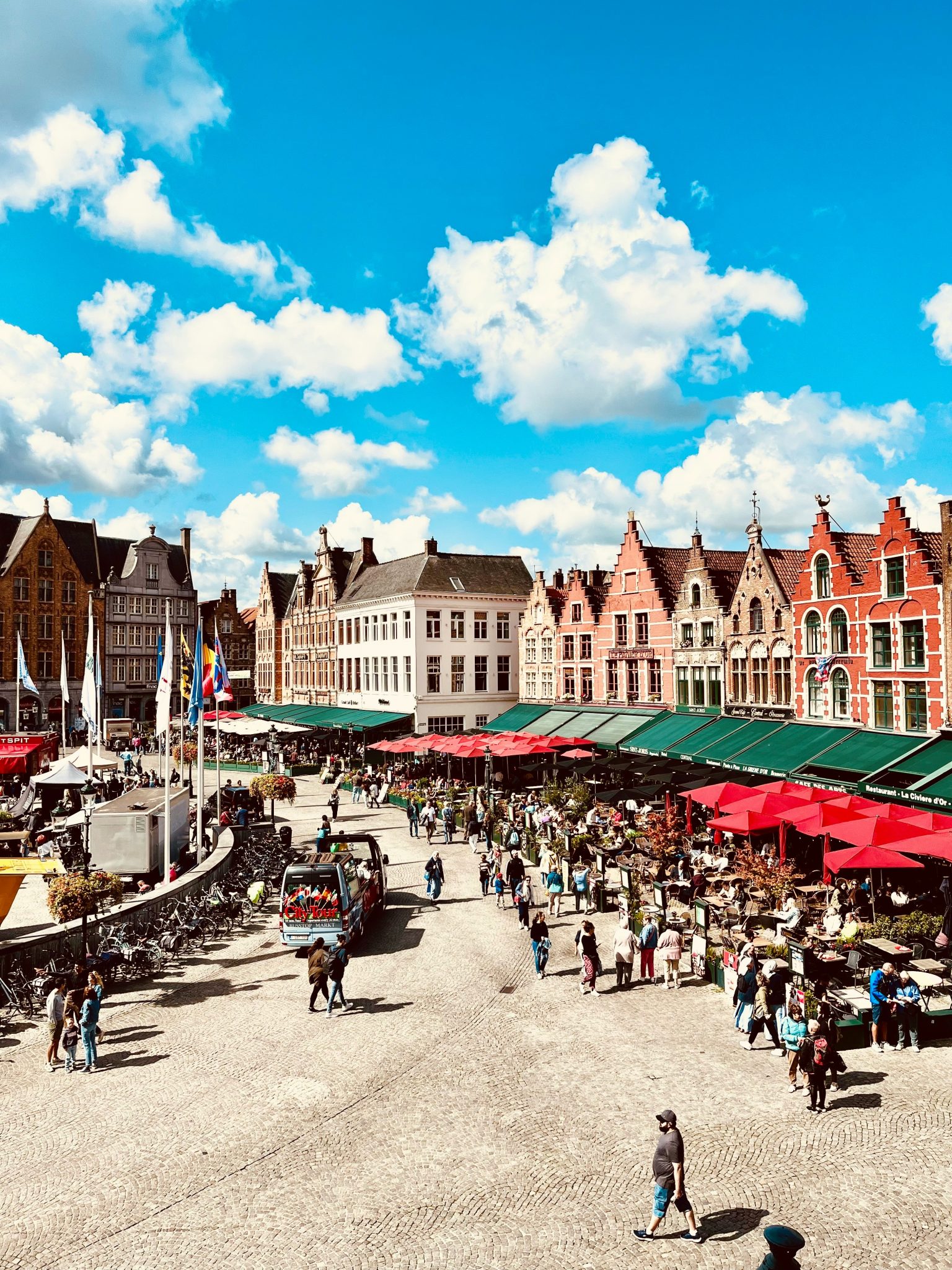
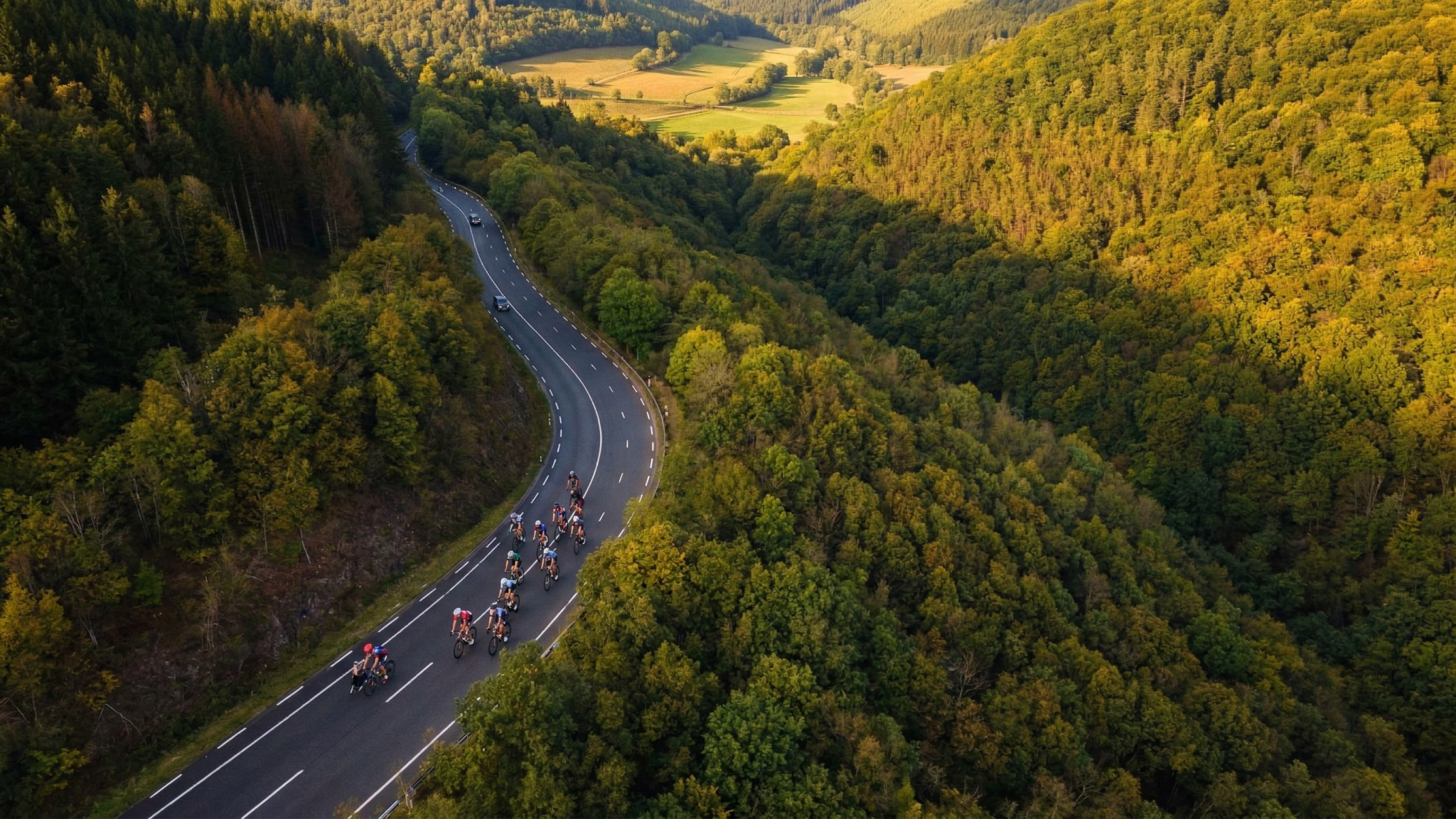
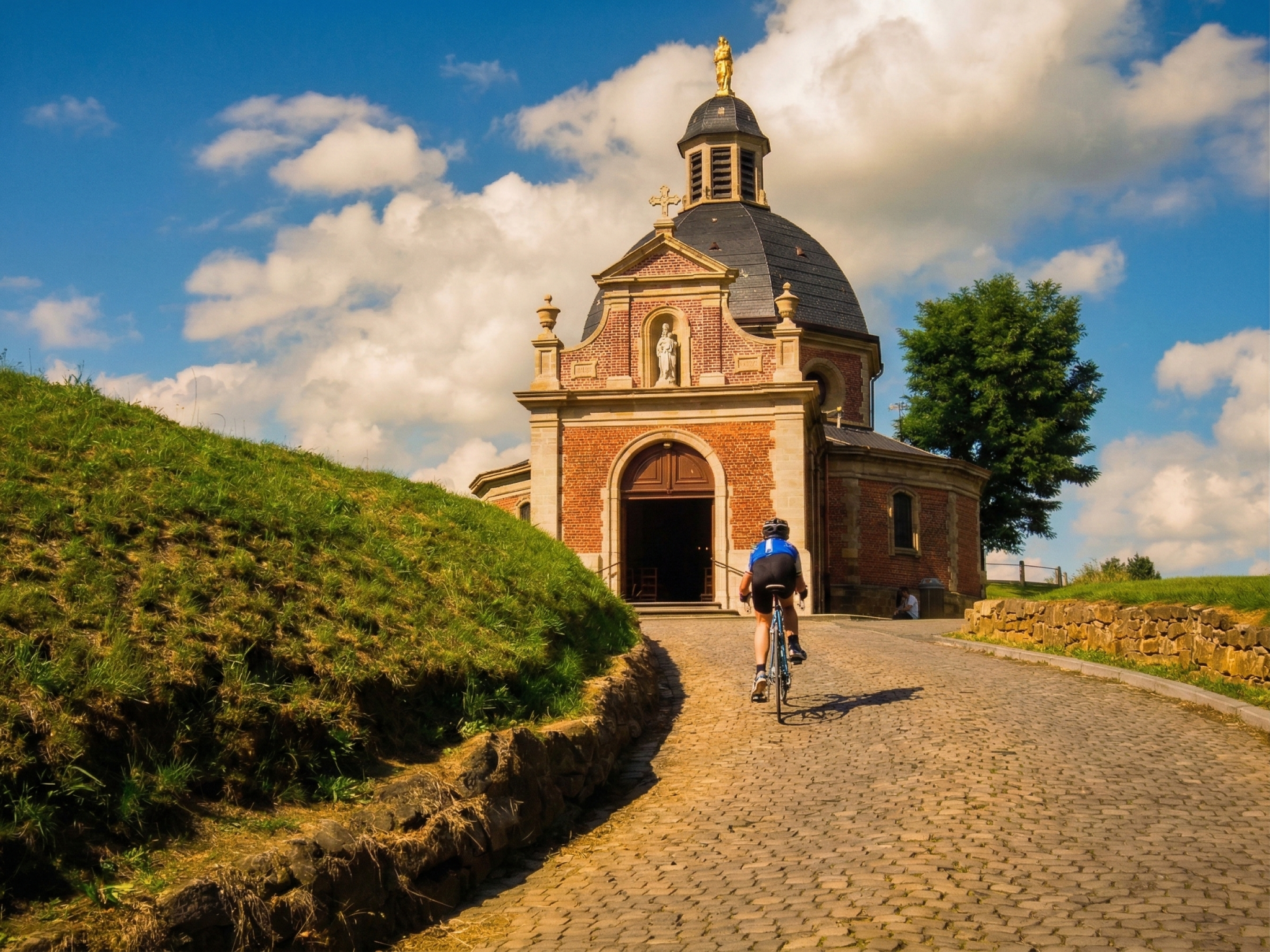

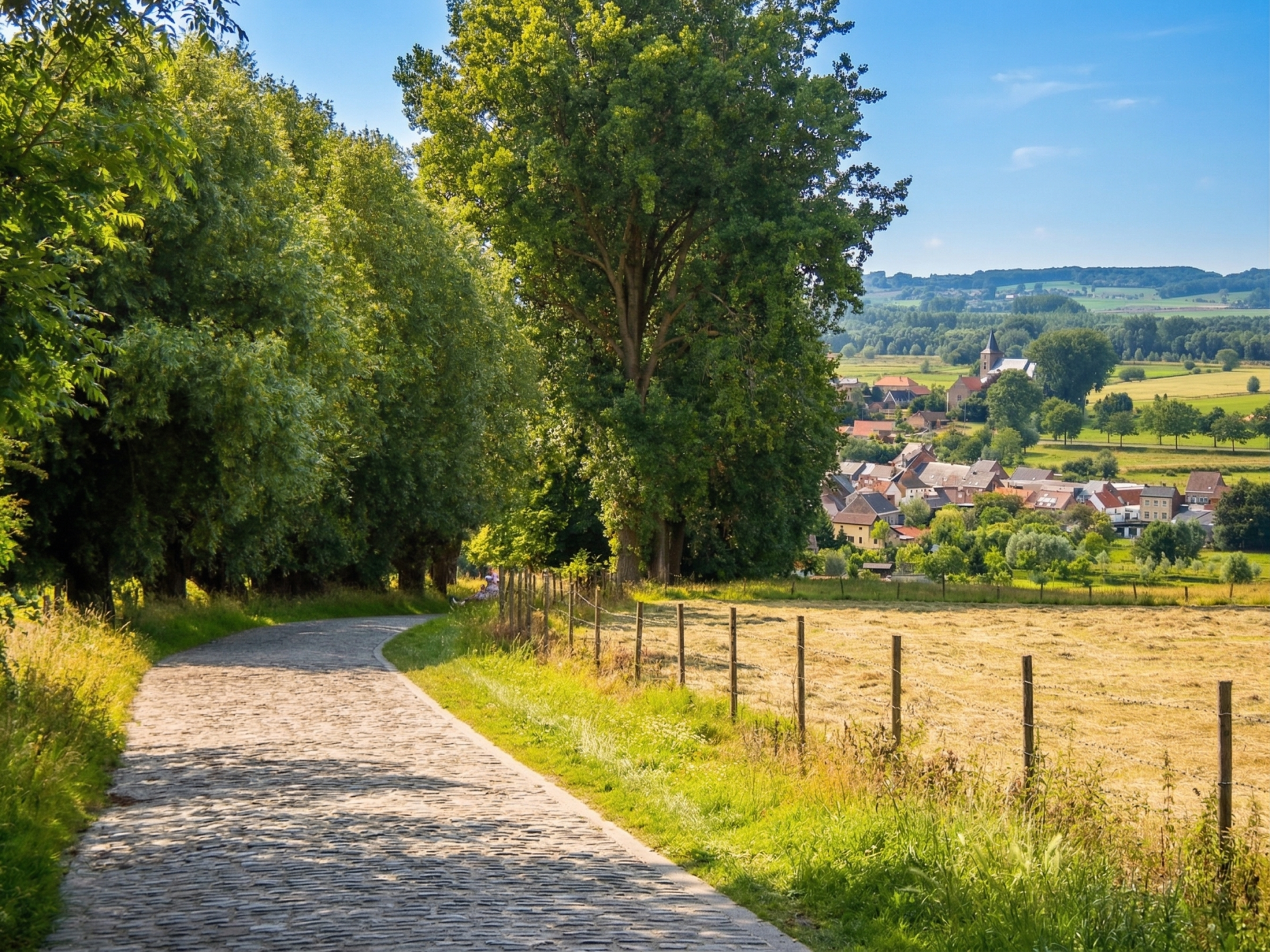
The cobbled climbs of Belgium are unlike anything else in cycling. Short, steep and relentless — they don’t last long but they take everything you have. The Koppenberg, the Muur van Geraardsbergen, the Kemmelberg, the Paterberg — these are the roads that made the Spring Classics. Head east to the Ardennes and the character shifts entirely: longer, forested, with the Côte de la Redoute and the Signal de Botrange waiting at the top of the world. Eat Sleep Cycle takes you to all of it.
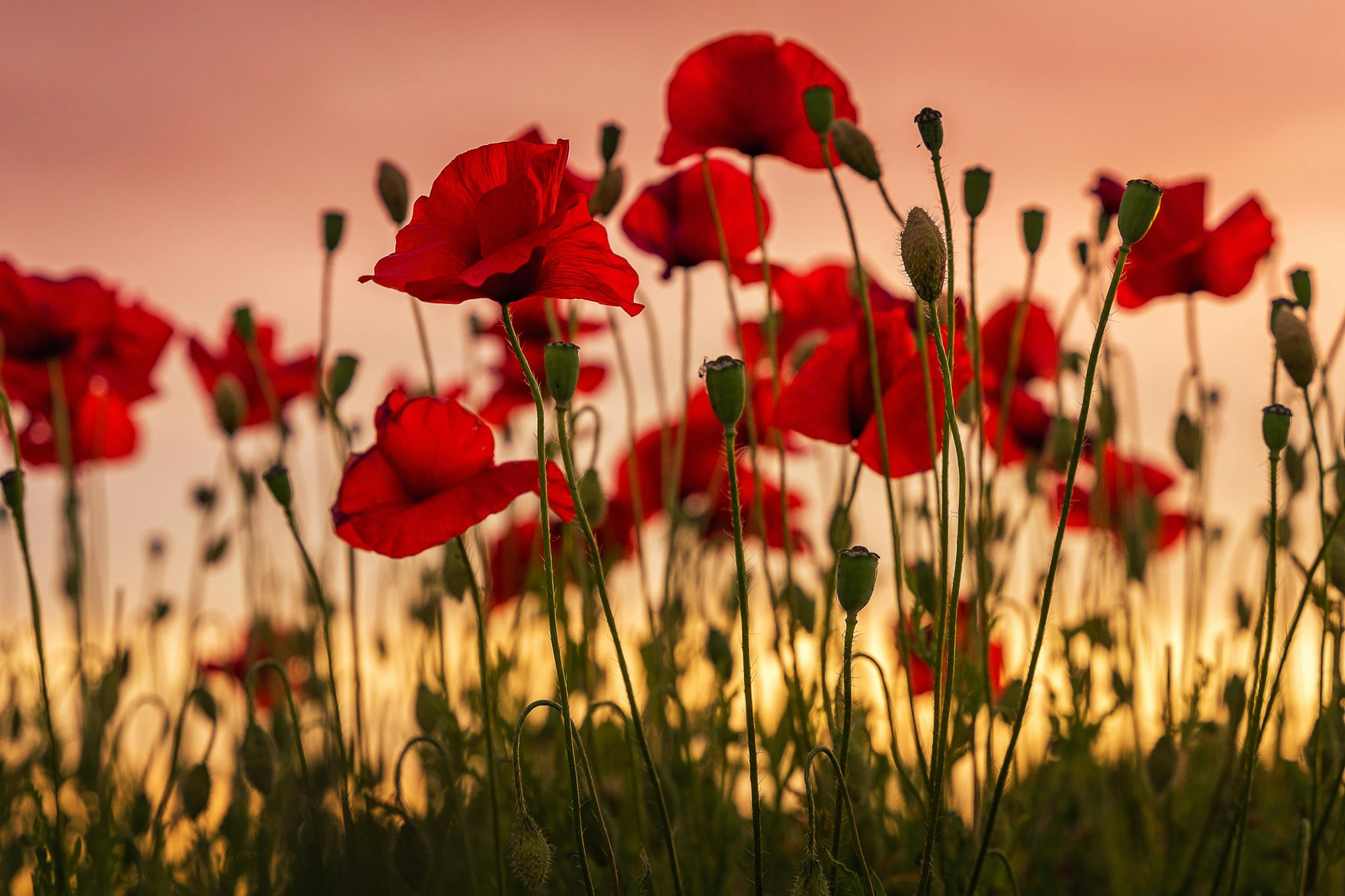
Levelled completely in the First World War and rebuilt brick by brick, Ypres is one of the most remarkable cities in Europe. The Grote Markt is magnificent. The fields that surround it are studded, every few kilometres, with the cemeteries of the Great War. To ride out of Ypres in the early morning, through those fields and past those headstones, is to understand why this landscape carries weight that no other cycling destination can match.
The spiritual home of the Tour of Flanders. This quiet Flemish town on the banks of the Scheldt has watched the greatest riders in cycling pass through its streets for over a century. The finish line of De Ronde is here. So is the Museum of the Cycle Race, one of the finest cycling museums in the world. Ride in through the bergs of the Flemish Ardennes, leave the bike at the hotel and spend the evening in a town that lives and breathes cycling. There is nowhere quite like it.
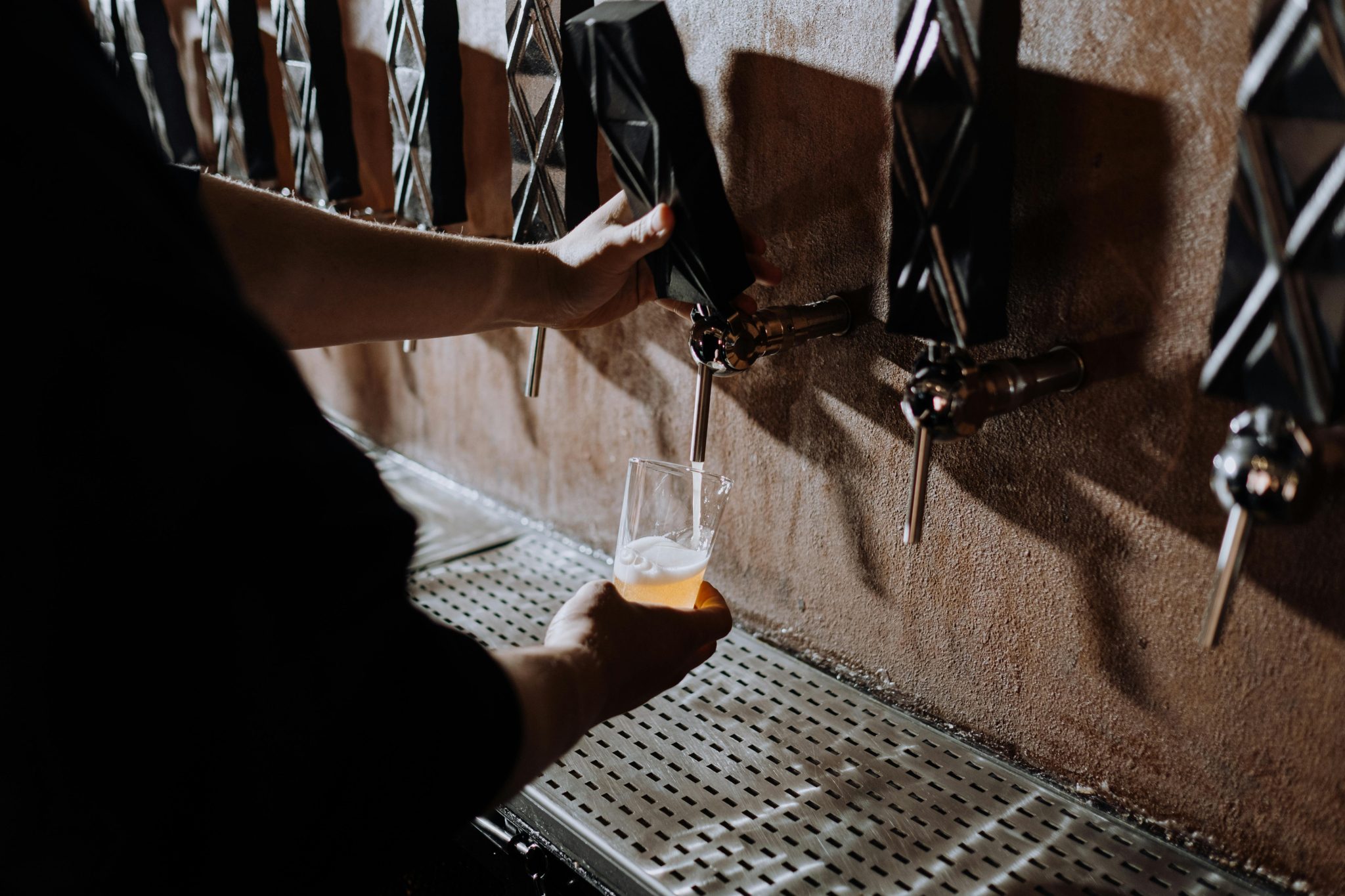
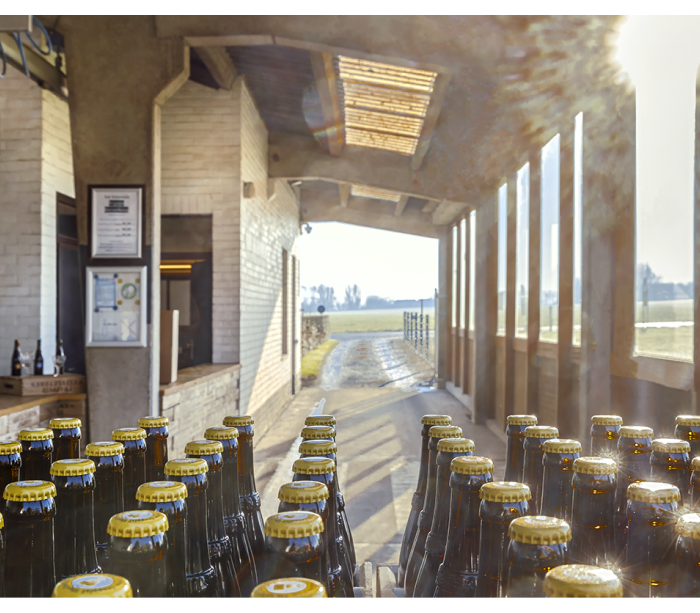
Over 1,500 varieties. Trappist monasteries still brewing to centuries-old recipes. Abbey ales, lambics, saisons and gueuzes that you will not find anywhere else in the world. A cold Sint-Bernardus after a long day in the Flanders hills, or a Westmalle Tripel in a quiet Ardennes village — Belgian beer culture is inseparable from the experience of riding here. It is part of what makes the evenings as good as the days.
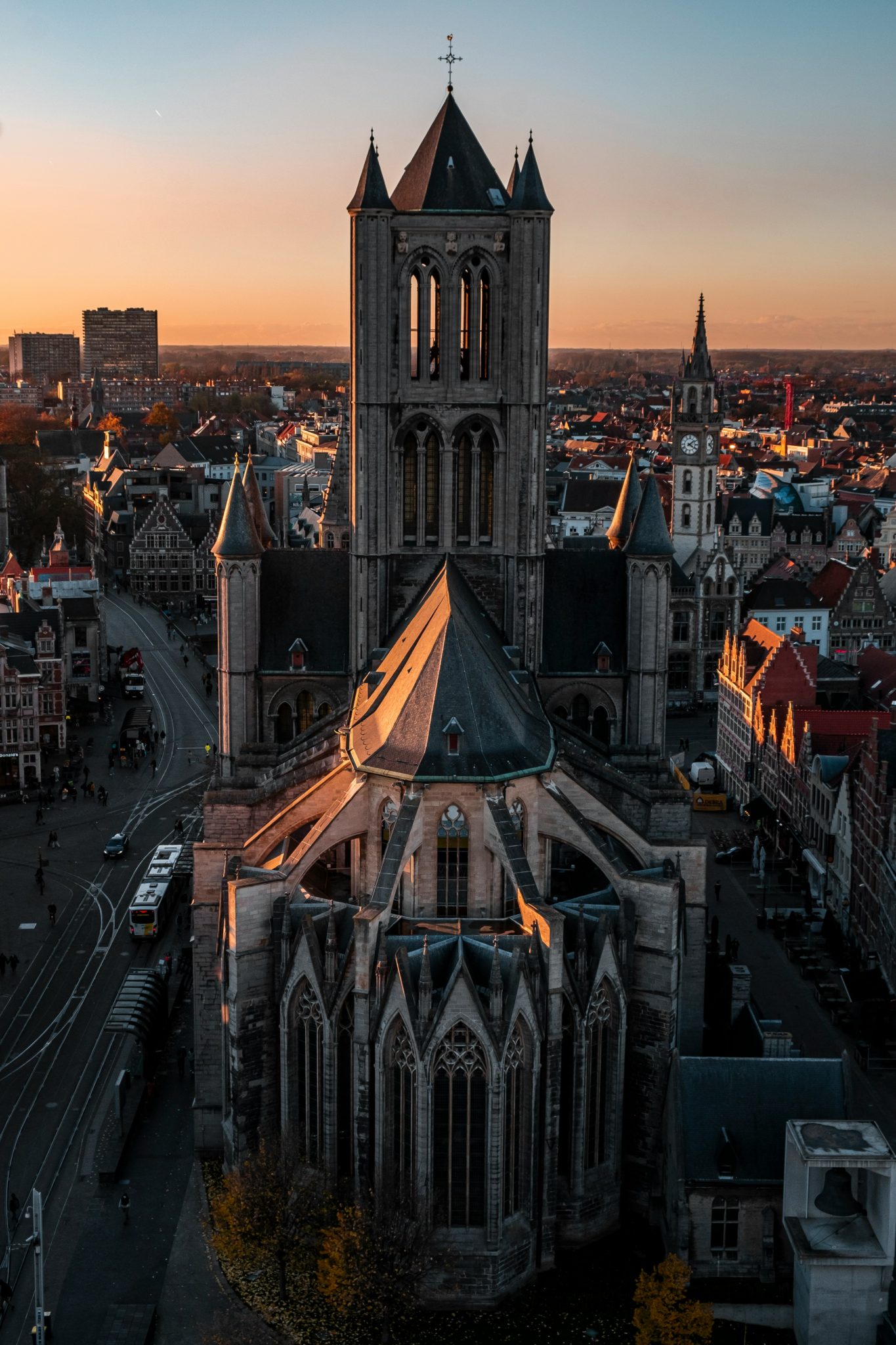
A living medieval city with one of the strongest cycling cultures in Europe. The finish line of Gent-Wevelgem runs through its streets. The Velodroom is here. The city has bike lanes everywhere and a population that takes cycling seriously. But it is also a city of extraordinary architecture, canal-side restaurants and a food and beer scene that rivals anywhere in Belgium. Ride in, stay a night, and you will understand why this city belongs on every cyclist’s list.
Dense forests, deep river valleys, long rolling roads and almost no traffic. This is the Belgium most visitors never see — and the one that stays with you longest. Home to Liege-Bastogne-Liege, the oldest Classic in the calendar, and the Signal de Botrange, the highest point in the country at 694 metres. The Ardennes asks different questions of you than Flanders does. Both deserve an answer.
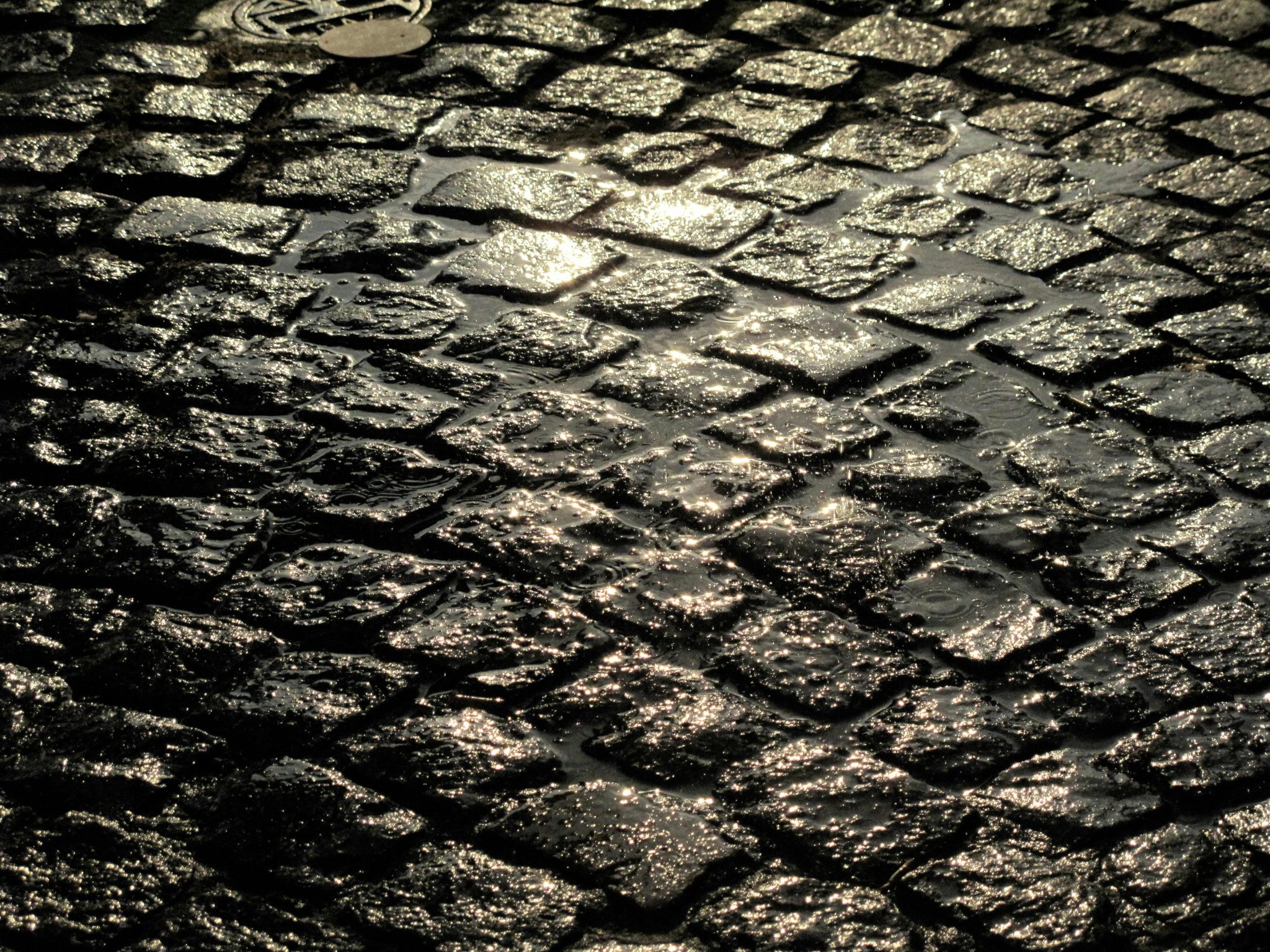
The most feared cobbled climb in Belgium. A narrow farm track northeast of Oudenaarde, its cobbles uneven and pitched at gradients peaking at 22%. It has forced riders to dismount at the Tour of Flanders. It has ended races. It is short — barely 600 metres — but it demands total commitment from the first pedal stroke. The benchmark for everything that follows in Flanders.
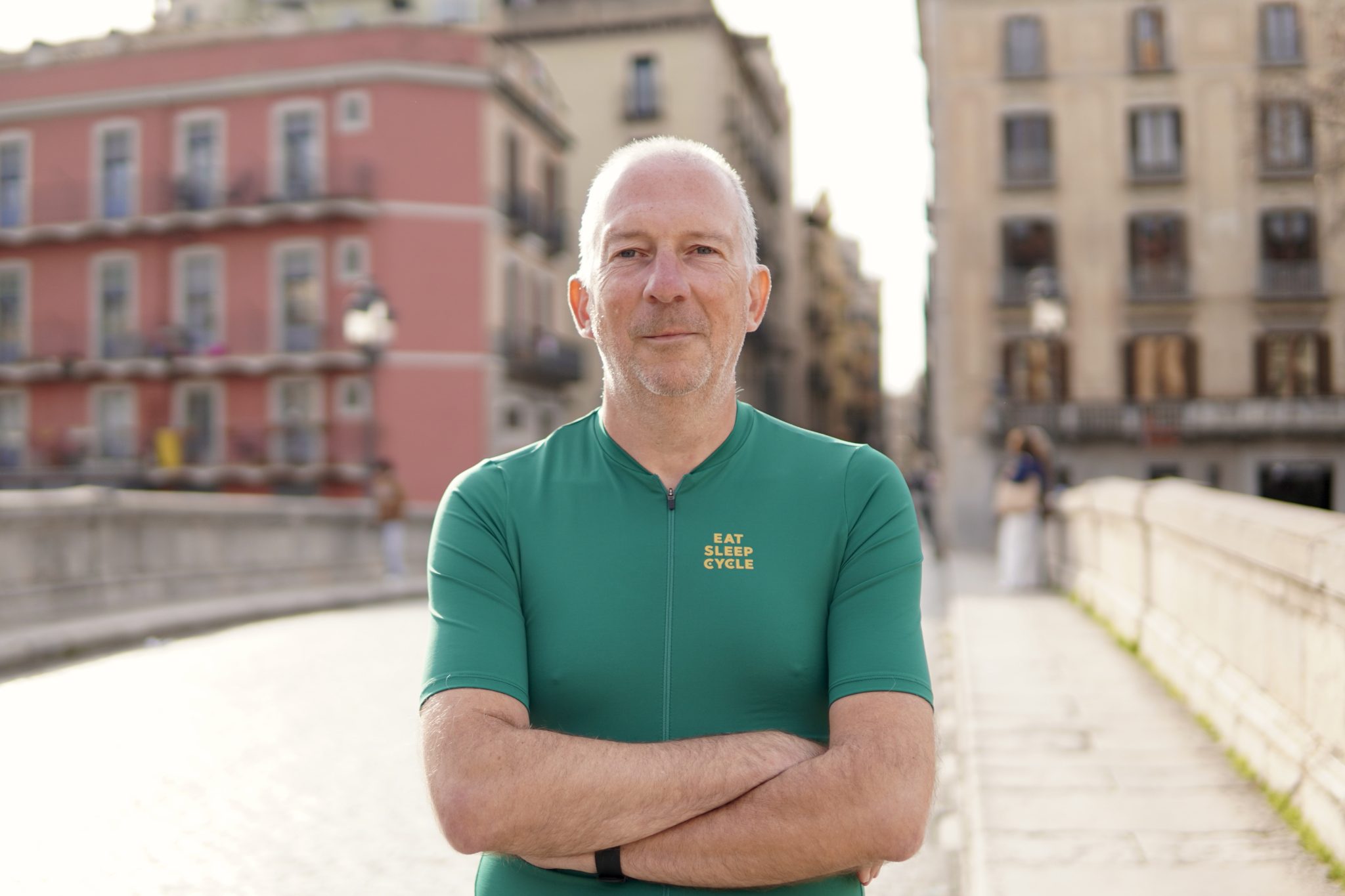
A proud Fleming with deep Belgian cycling roots, Arno perfectly blends his heritage with a love for Catalan roads. Whether leading you over smooth tarmac or dusty gravel, his experience across Europe’s iconic peaks from the Alps to the Dolomites ensures every ride is professional, safe, and truly unforgettable.
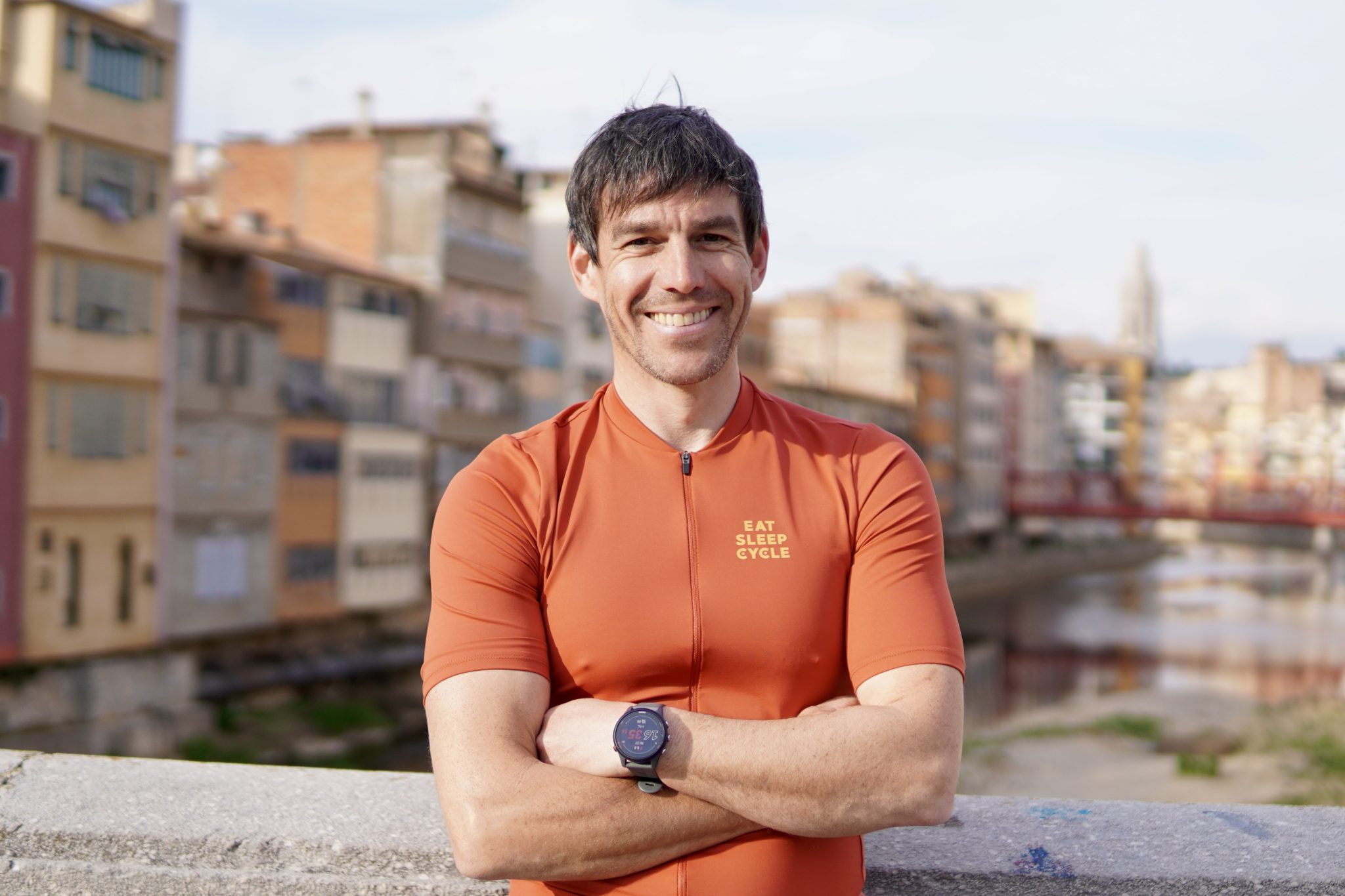
Originally from Cardiff, Gethyn is a well-balanced guide who loves the social side of cycling. Whether he’s talking endlessly about the world or enjoying a “marriage made in heaven” (cold beer and pork scratchings), he finds his peace on the road between Tossa and Sant Feliu or swimming in a forest river.
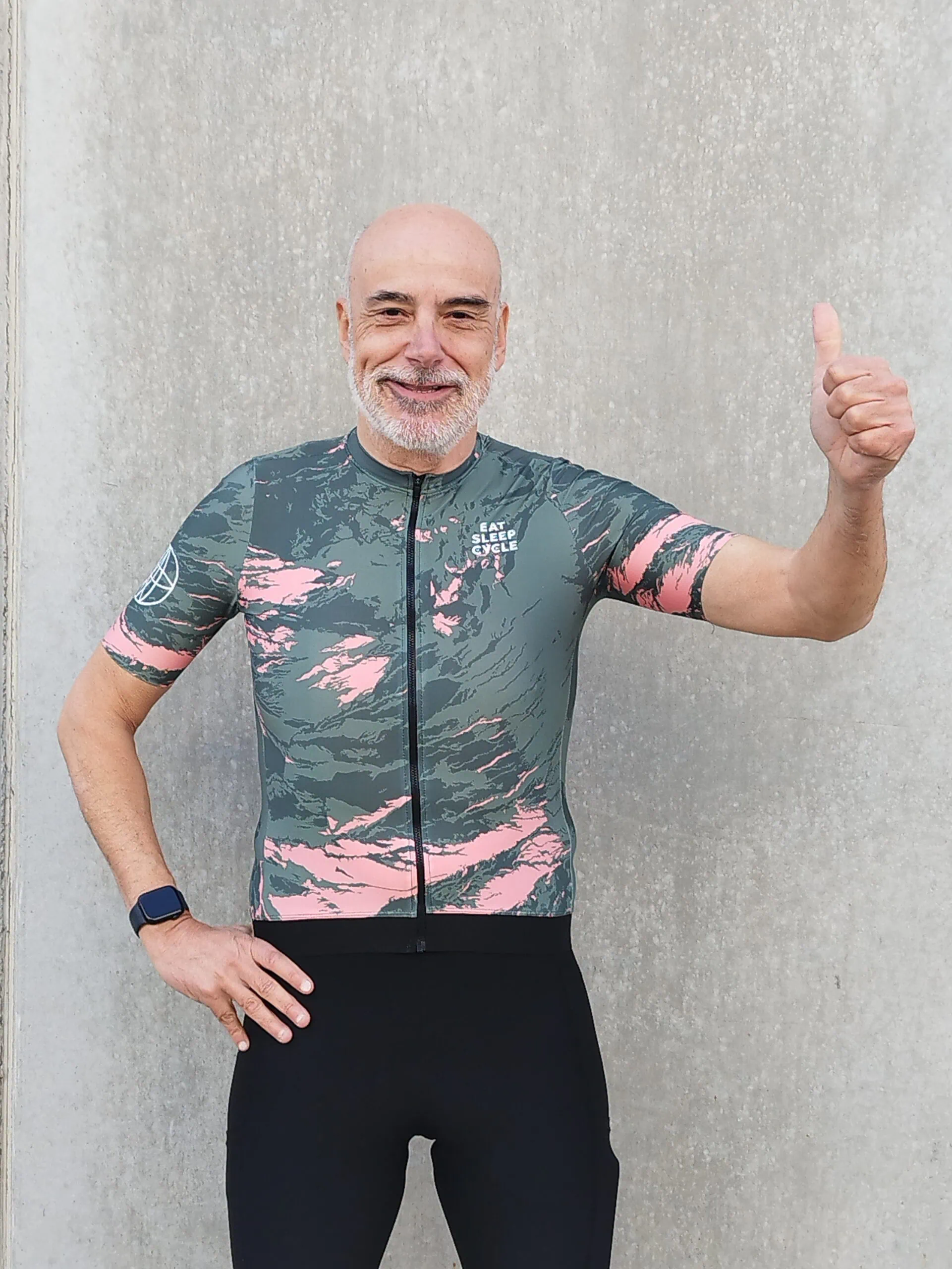
Jordi is from the Girona region and lives on the Costa Brava. Jordi continues to run his own food business and joins our guide team in 2024 to provide top notch vehicle support.
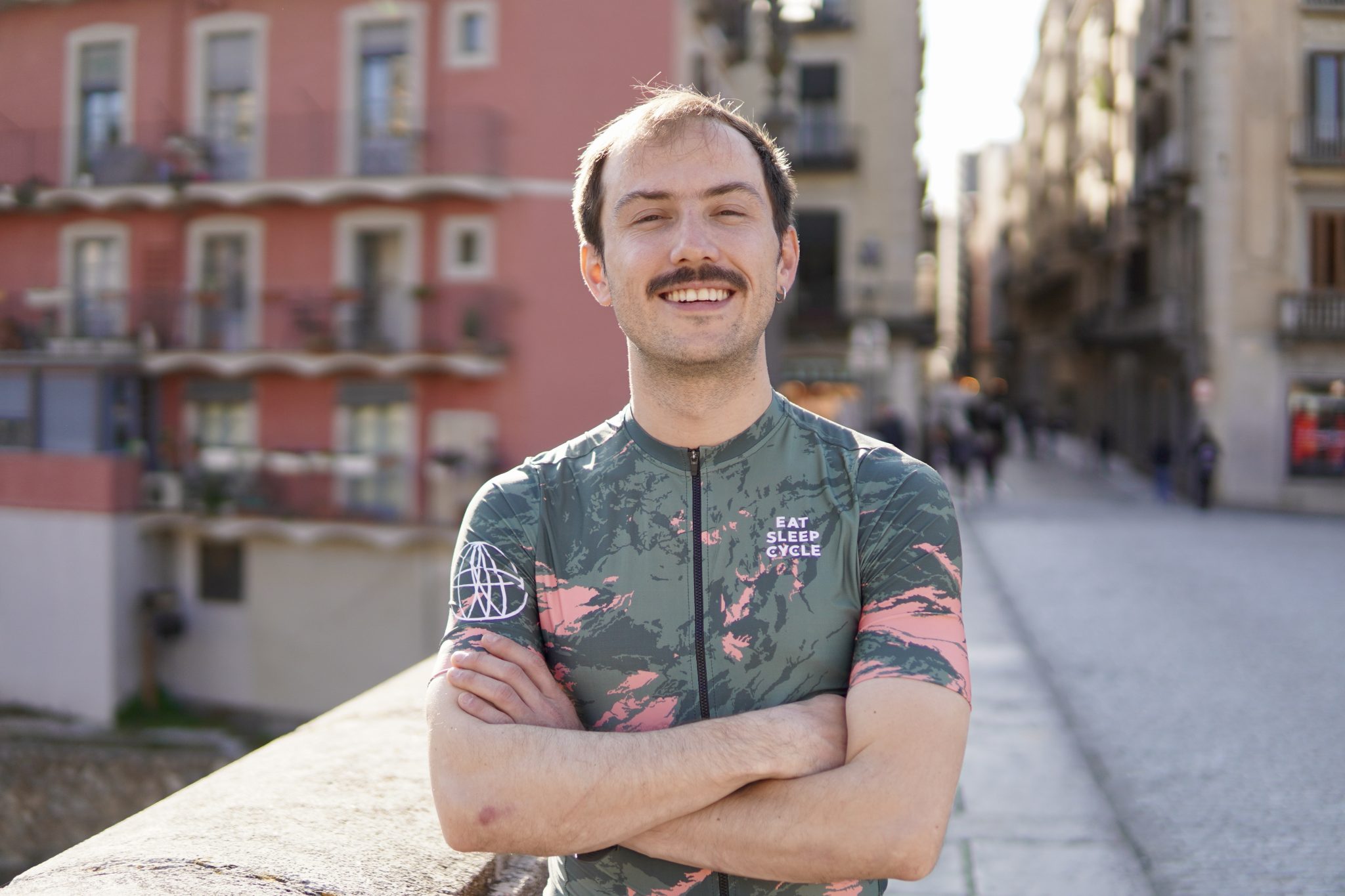
Agustin traded a law career in the Colombian Andes for the cycling culture of Girona. A passionate storyteller, he hosts a music podcast and loves diving into the history of his favorite artists. For Agustin, the perfect ride ends with great coffee, pastries, and deep conversations about life.


